

Private vs. Public School: How to Compare Academic Environments
Choosing between private and public school means comparing more than tuition or class size: it means examining who can attend, how schools are funded, what they teach, and how students…
Choosing between private and public school means comparing more than tuition or class size: it means examining who can attend, how schools are funded, what they teach, and how students…

Smaller class sizes can improve learning when they give teachers more time to notice students’ needs, provide feedback, and adjust instruction. Research does not show that every class-size reduction produces…

Personalized learning adapts instruction to learners’ needs, progress, interests, or circumstances rather than giving every student the same pathway at the same pace. Its future is likely to combine adaptive…
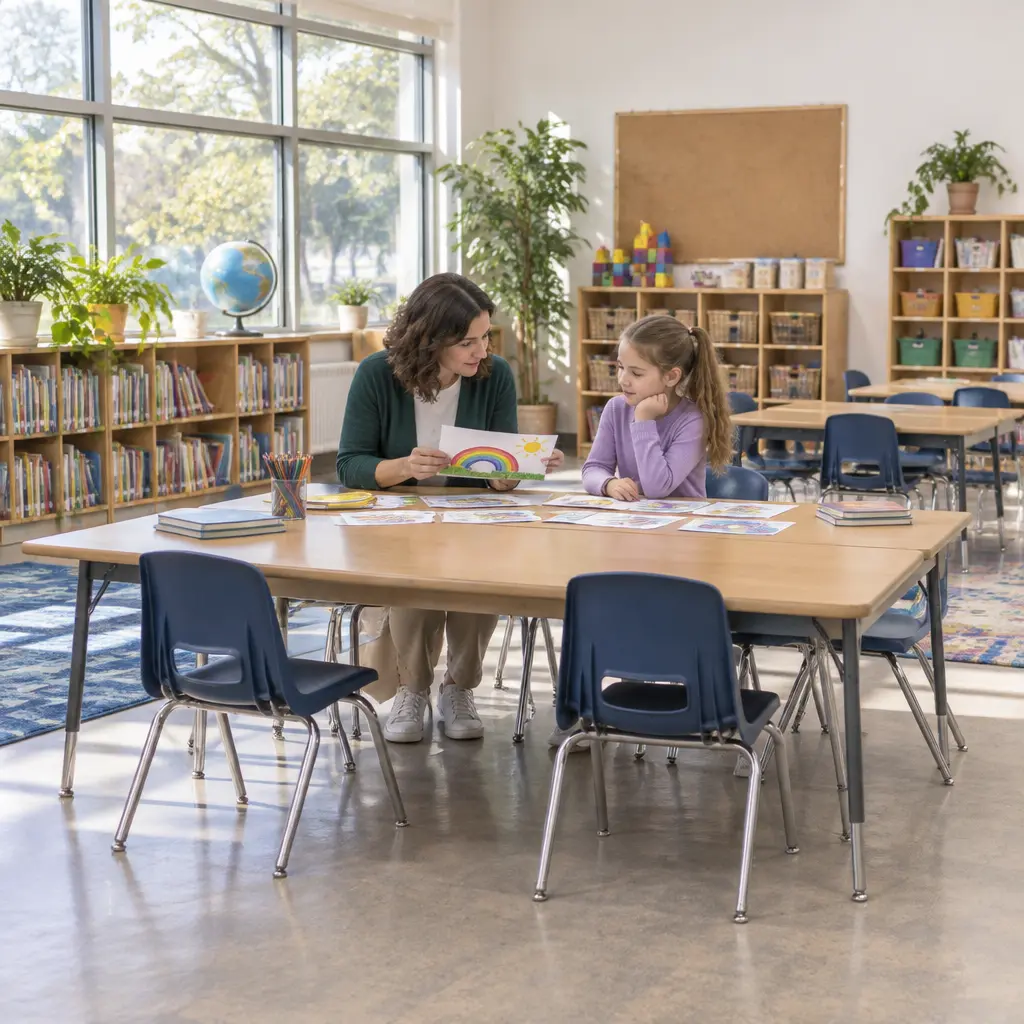
Personalized learning programs tailor instruction to students’ needs, interests, readiness, and progress rather than asking every learner to follow the same route at the same pace. The U.S. Department of…

Starting school as a parent means learning how to support your child while navigating new routines, relationships, and school information. You do not have to master everything at once: begin…
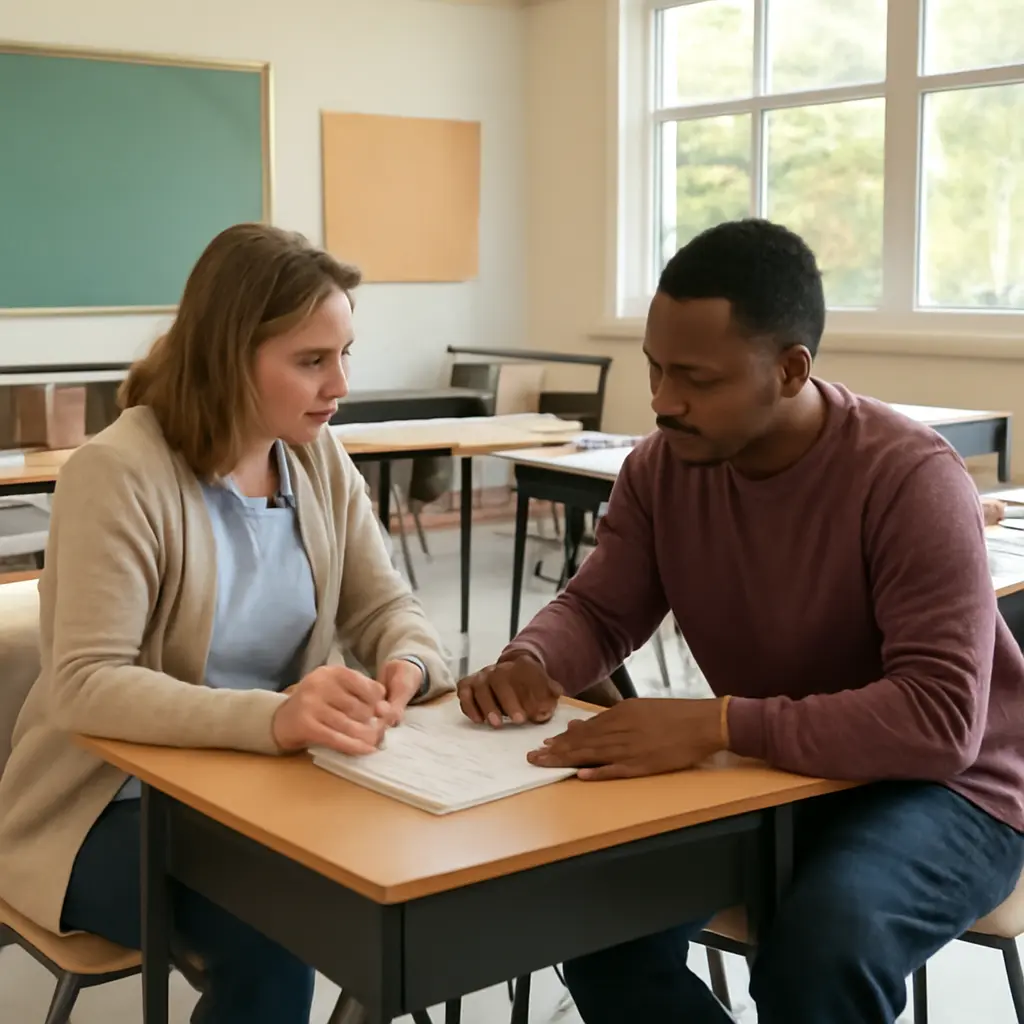
When parents and teachers work together, students gain a more consistent network of support across home and school. This partnership—regular, two-way communication and shared effort around a child’s learning and…
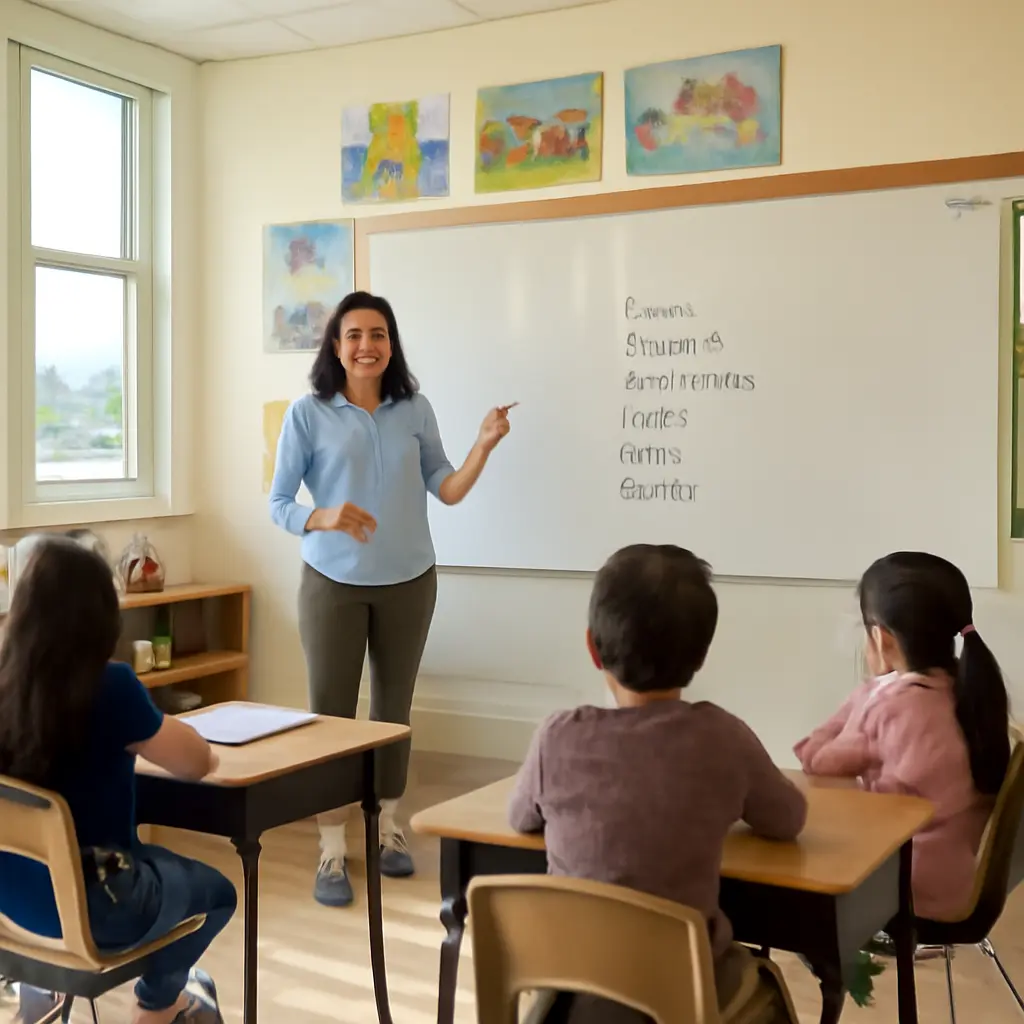
A school culture that prioritizes expectations over punishment makes clear what students are expected to do, teaches the skills and routines needed to meet those expectations, and responds to misbehavior…
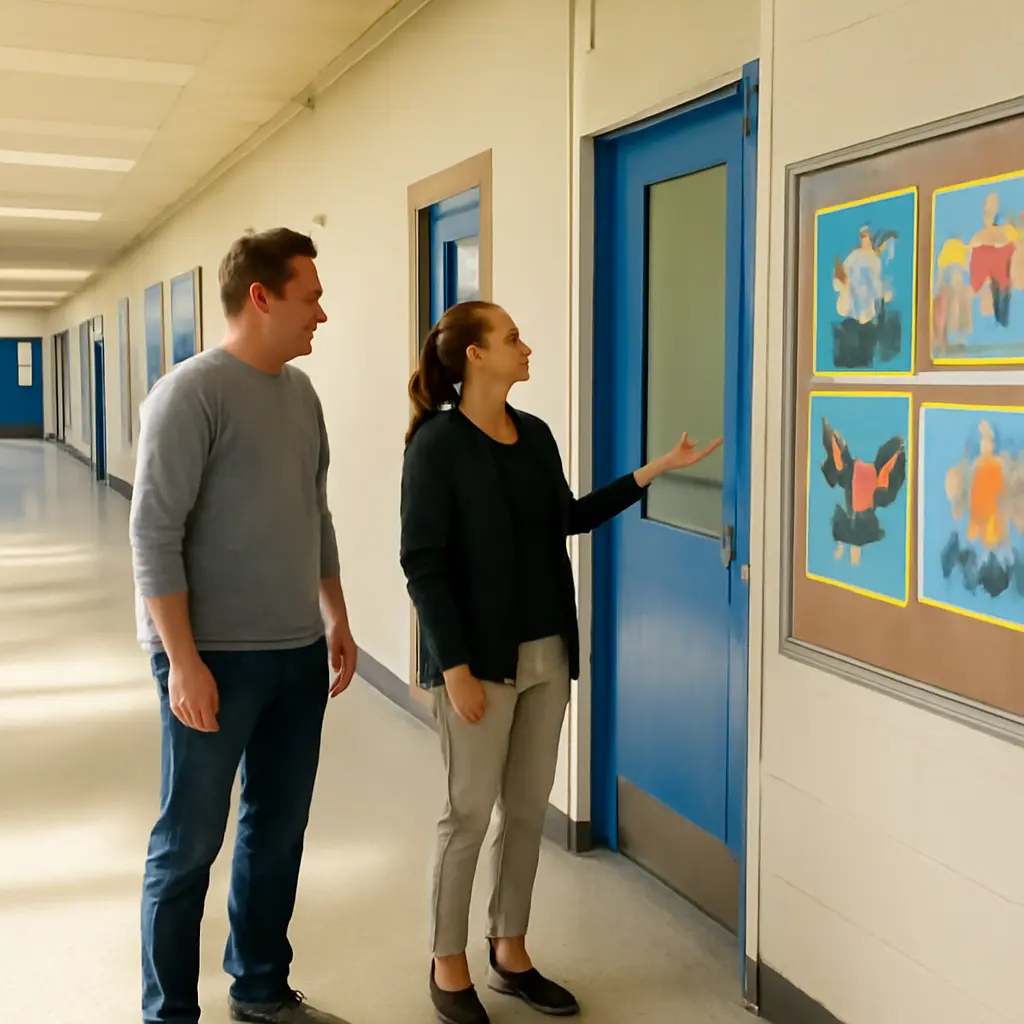
A school’s description of its programs is a promise; a campus tour is a chance to test that promise against everyday evidence. Comparing school claims with what parents observe means…

Traditional education can measure what students know more easily than whether they believe they can learn. That difference is the confidence gap: the distance between demonstrated ability and a learner’s…

Reluctant-reader engagement is the deliberate use of choice, relevance, social connection, manageable challenge, and playful discovery to help readers return voluntarily. The most effective approach is not to pressure students…